
The Wattah Wattah Festival, also known as the Basaan Festival, is a fun and lively celebration held every June 24th in San Juan, Metro Manila, and many other communities throughout the Philippines. It honors the feast day of St. John the Baptist, revered for baptizing Jesus Christ with water in the Jordan River.
The water-throwing symbolizes the cleansing ritual of baptism. It's seen as a way to wash away sins and receive blessings for the coming year. Some historians theorize that the festival might have roots in pre-colonial animistic beliefs. Indigenous Filipinos may have held water rituals during the hot summer months for purification, fertility, or appeasing deities.
The arrival of Christianity led to the merging of these beliefs with the baptism story of St. John the Baptist. The focus shifted from appeasing deities to seeking Christian blessings, but the core concept of water as a purifying and life-giving element remained.
Overall, the Wattah Wattah Festival reflects a unique Filipino perspective where religious beliefs and cultural traditions intertwine. It's a joyous celebration that combines honoring St. John the Baptist with the cultural significance of water in the Philippines.
Commenting disabled.
Up Next
Autoplay
-
02:25
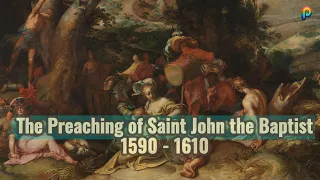
A Sermon in the Wilderness: The Preaching of Saint John the Baptist, Abraham Bloemaert, 1590 - 1610
-
18:22

The Gifts of John the Baptist: Excerpt Classroom Teaching
-
04:57

LECTURA DE POESIA NUDISTA - EVENTO CULTURAL NATURISTA NUDE POETRY READING - CULTURAL NATURIST EVENT
-
00:59

Sex Facts | Girls Sexy Facts | Gk facts #sexfacts #facts #short #femalelove #secretrelationships
-
00:45

interesting facts in telugu | telugu facts | #facts #shorts #skfacts (1)
-
02:59

Gal Gadot Sexy Mashup 2017????FAP TRIBUTE + NUDE PHOTOS IN THE DESCRIPTION 1
-
00:59

charlie d'amelio fap tribute
-
02:55

FAP TRIBUTE #40 - SVETA BILYALOVA
-
05:37

Taylor Swift | FAP TRIBUTE | SEXY COMPILATION
-
00:11

Yummy Fap Tribute Remastered Ultimate Collection Edition 4k HD
