
Hello! That sounds like a wonderful Filipino meal. Pansit and Siopao are two very popular dishes with Chinese origins that have been fully embraced and adapted into Filipino cuisine.
Here is a description of both:
???? Pansit (or Pancit)
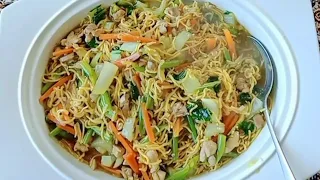
Pansit is the general term for a variety of Filipino noodle dishes. It consists of stir-fried noodles mixed with a combination of ingredients, and there are many regional variations.
* The Dish: Pansit is a savory, stir-fried (or sometimes stewed) noodle dish.
* Key Ingredients: The specific noodles (rice noodles for Pansit Bihon, egg noodles for Pansit Canton, etc.), sliced meat (often chicken, pork, or shrimp), and various vegetables (cabbage, carrots, celery, snap peas, etc.). The flavor is typically savory, seasoned with soy sauce, broth, and sometimes oyster sauce.
* Serving: A signature touch is serving it with calamansi (a small, sour Filipino citrus fruit) wedges, which you squeeze over the noodles to add a bright, acidic lift to the flavor.
* Cultural Note: Pansit is a staple at Filipino feasts and celebrations, as the long noodles symbolize long life and good health.
???? Siopao
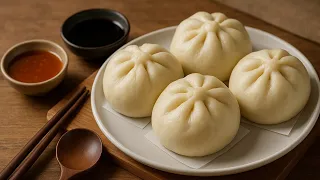
Siopao is the Filipino version of the Chinese steamed bun, baozi (or char siu bao).
* The Dish: Siopao is a hot, fluffy, steamed bun with a savory filling inside. It's often eaten as a hearty merienda (snack) or light meal.
* The Bun: The dough is a soft, white, and slightly sweet steamed bread, made to be incredibly light and fluffy.
* Key Fillings: The two most common varieties are:
* Siopao Asado: Filled with sweet and savory pork pieces stewed in a thick, reddish sauce.
* Siopao Bola-Bola: Filled with a mixture that typically includes ground pork, shrimp, and salted duck egg (or a plain egg slice).
* Serving: It's usually served with a dark, thick, sweet, and tangy siopao sauce (often a mix of cornstarch, soy sauce, and sugar) poured over the bun or used for dipping.
Together, the Pansit and Siopao meal provides a wonderful contrast of textures and flavors: the savory, stir-fried noodles alongside the soft, sweet steamed bun with its rich, meaty filling.
Would you like to know more about a specific type of Pansit (like Pansit Canton or Pansit Palabok)?
Commenting disabled.
Up Next
Autoplay
-
00:52
Siopao.
-
05:05
How to cook Pansit Bato cooked by a Bicolana
-
00:18

Inside a 7-Eleven in the Philippines ???????? | Siopao, Hotdog & Coffee Machines
-
00:55

Trying Extra hot chillie Pansit canton ???????? #philippines #filipino #mukbang #foodreview #cebu
-
01:00
Filipino Siopao Asado
-
02:59

Gal Gadot Sexy Mashup 2017????FAP TRIBUTE + NUDE PHOTOS IN THE DESCRIPTION 1
-
00:59

charlie d'amelio fap tribute
-
02:55

FAP TRIBUTE #40 - SVETA BILYALOVA
-
05:37

Taylor Swift | FAP TRIBUTE | SEXY COMPILATION
-
00:11

Yummy Fap Tribute Remastered Ultimate Collection Edition 4k HD
