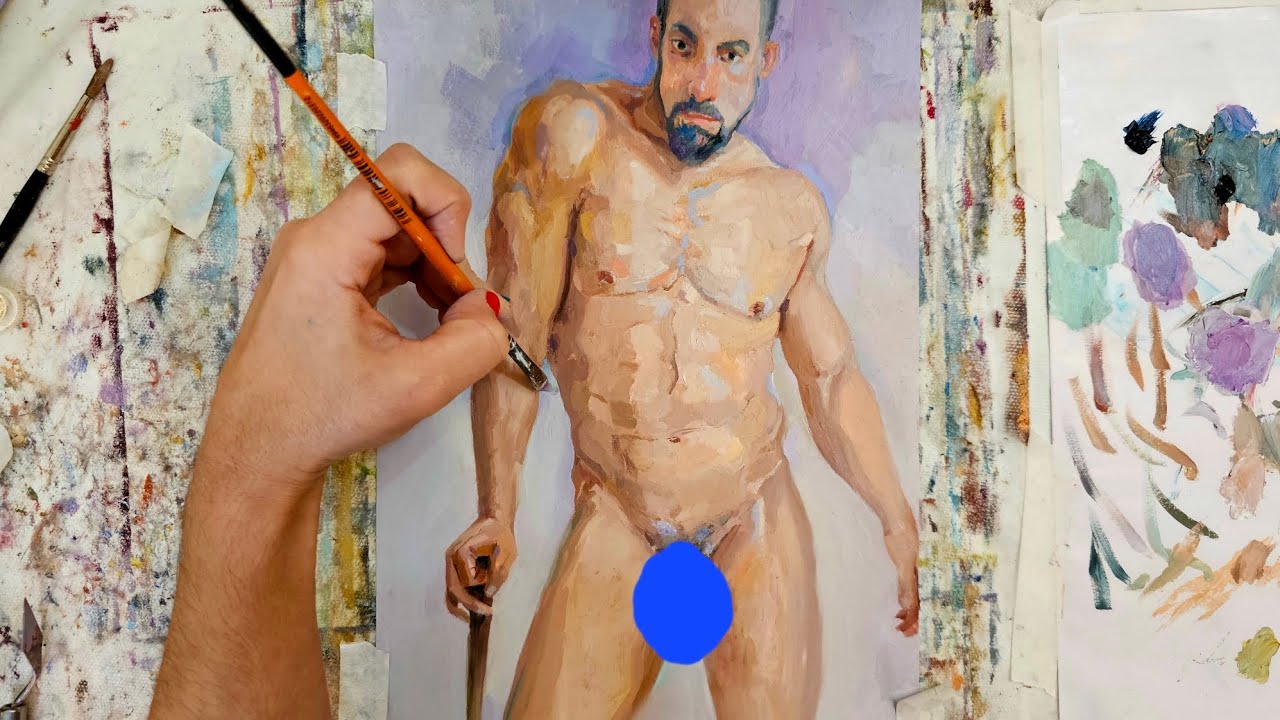
“As Candide returned to his farm, he reflected deeply on the Turk's remarks. He said to Pangloss and Martin: "That good old man seems to me to have made himself a life far preferable to that of the six Kings with whom we had the honor of having supper."
"Great eminence," said Pangloss, " is very dangerous, according to the report of all philosophers. For after all, Eglon, King of the Moabites, was assassinated by Ehud; Absolom was hanged by his hair and pierced with three darts; King Naab son of Jeroboam was killed by Baasha..."
"I also know", said Candide, "that we must cultivate our garden."
"You are right," said Pangloss, "for when man was put in the Garden of Eden, he was put there ut operator eum, to work; which proves that man was not born to rest."
"Let us work without reasoning," said Martin, "it is the only way to make life endurable."
All the little society entered this laudable plan; each one began exercising his talents. The little piece of land produced much. True, Cunégonde was very ugly; but she became an excellent pastry cook; Paquette embroidered; the old woman took care of the linen. No one, not even Friar Giroflée, failed to perform some service; he was a very good carpenter, and even became an honorable man; and Pangloss sometimes said to Candide: "All events are linked together in the best of all possible worlds. for after all, if you had not been expelled from a fine castle with great kicks in the backside for love of Mademoiselle Cunégonde if you had not been subjected to the Inquisition if you had not traveled about America on foot if you had not given the Baron a great blow with your sword if you had not lost all your sheep from the good country of Eldorado, you would not be here eating candied citrons and pistachios."
"That is well said," replied Candide, "but we must cultivate our garden.”
― Voltaire, Candide
I think Voltaire's "Candide" presents a rich allegory of human existence, often likened to a philosophical painting where each character and event serves as a brushstroke contributing to the overall tableau of life. The passage encapsulates a shift in perspective, from the pursuit of grandeur and eminence to the embrace of simple, meaningful work symbolized by cultivating one's garden.
This shift reflects the evolution of artistic movements, particularly in painting, from the elaborate grandeur of the Baroque to the simplicity and realism of the Enlightenment. Just as artists like Caravaggio and Rubens captured the opulence of their time, Voltaire portrays the folly of pursuing greatness at the expense of contentment.
The characters' transformations echo artistic movements like the Renaissance, where individuals discovered new talents and purposes beyond their initial circumstances. Cunégonde's metamorphosis from a noblewoman to a skilled pastry cook symbolizes the resilience and adaptability of the human spirit, akin to the evolution of artistic styles over time.
Moreover, the notion of cultivating one's garden can be seen as a metaphor for artistic creation itself, where the artist nurtures their craft with diligence and dedication. Just as Candide and his companions find fulfillment in tending to their plot of land, artists find purpose and meaning in the process of creation, regardless of external recognition or acclaim.
- Category
- Fap tribute Fap challenge
- Tags
- how to paint, tutorial, figurative Art
Commenting disabled.
Up Next
Autoplay
-
08:02
painting a Nude Male Figure in contemplation of his existence (to pants or not to pants)
-
10:47
painting a Nude Male Figure Contemplating his mortality
-
08:07

Woman nude figure color | Nude female figure art | Nude art | Nude figure oil pastel color painting
-
01:10

Chaudhari Garden Prayagraj | Kalyani Devi | Garden Allahabad | Garden Kalyani Devi
-
07:31
Watercolor Painting| Nude Painting| Nude Figure Study| Abstract Nude Figure Study|
-
02:59

Gal Gadot Sexy Mashup 2017????FAP TRIBUTE + NUDE PHOTOS IN THE DESCRIPTION 1
-
00:59

charlie d'amelio fap tribute
-
02:55

FAP TRIBUTE #40 - SVETA BILYALOVA
-
05:37

Taylor Swift | FAP TRIBUTE | SEXY COMPILATION
-
00:11

Yummy Fap Tribute Remastered Ultimate Collection Edition 4k HD