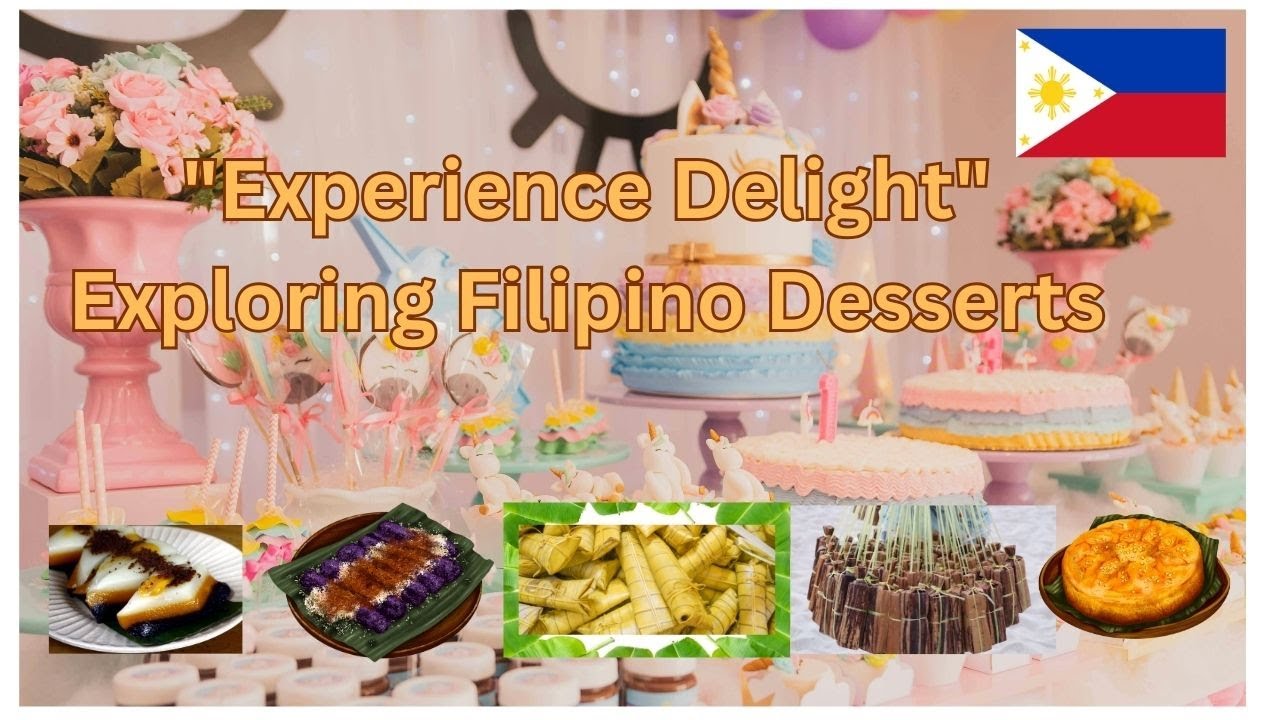
Filipino desserts are a delightful fusion of flavors, textures, and colors, often reflecting the country's rich cultural heritage and abundance of tropical ingredients. Here are some descriptions of popular Filipino desserts:
Halo-Halo: A vibrant and refreshing dessert, halo-halo (meaning "mix-mix") is a combination of shaved ice, evaporated milk, and an array of ingredients such as sweetened beans, coconut strips, nata de coco, jelly, and fruits. It is often topped with a scoop of ice cream, leche flan (caramel custard), and a sprinkle of pinipig (crisped rice).
Leche Flan: A silky smooth caramel custard, leche flan is made from egg yolks, condensed milk, and caramelized sugar. It's rich, creamy, and indulgent, often served chilled and sliced into thick pieces.
Bibingka: A traditional Filipino rice cake, bibingka is typically cooked in clay pots lined with banana leaves, giving it a unique aroma. Made from rice flour, coconut milk, and sugar, it's usually topped with salted egg, cheese, and sometimes grated coconut.
Turon: A popular street food snack, turon consists of ripe bananas (often combined with jackfruit) wrapped in a spring roll wrapper, then fried until golden and crispy. The outer layer is caramelized, giving it a sweet and crunchy finish.
Puto: These are soft, steamed rice cakes that are slightly sweet and often enjoyed as a snack or side dish. Puto can be plain or topped with cheese or salted eggs, and they come in various flavors and colors.
Ube Halaya: A creamy and vibrant purple yam dessert, ube halaya is made from boiled and mashed purple yams mixed with condensed milk, butter, and sugar. It can be enjoyed on its own or used as a filling for other treats like ube cake and ube ice cream.
Buko Pandan: A refreshing and fragrant dessert, buko pandan is made from young coconut strips, pandan-flavored jelly, and a mixture of sweetened cream or condensed milk. It's served cold, making it a perfect treat for hot days.
Kakanin: A category of traditional Filipino sticky rice cakes, kakanin includes various types such as suman (steamed rice wrapped in banana leaves), sapin-sapin (layered glutinous rice cake), and kutsinta (steamed rice cake with a chewy texture). These are often made with coconut milk and flavored with ingredients like ube, pandan, or brown sugar.
Maja Blanca: A coconut milk pudding, maja blanca is creamy and smooth, made with coconut milk, cornstarch, and sugar. It often contains sweet corn kernels and is topped with latik (coconut milk curds) or toasted coconut flakes.
Cassava Cake: A dense and chewy cake made from grated cassava, coconut milk, and condensed milk. It's baked until golden and often topped with a creamy custard layer or grated cheese for added flavor.
These desserts showcase the rich culinary traditions of the Philippines, each offering a unique taste of the country's diverse and vibrant culture.
Commenting disabled.
Up Next
Autoplay
-
00:11

Ms Delight is hiding something 2 (Poppy Playtime 4 Animation by CuteBird) #delight #shorts
-

buy something in Filipino store here Taiwan #exploring #exploring #viral
-
27:18

We tried FILIPINO DESSERTS for the FIRST TIME ???????? - BEST DESSERTS in ASIA?
-
00:38

Exploring the Thand Me Video Experience | Daily Vlog #Poonam panday #poonam #onlyfans
-
00:16

Halo-Halo is Filipino desserts in hot summer time .????♀️????♀️????♀️????????????????
-
02:59

Gal Gadot Sexy Mashup 2017????FAP TRIBUTE + NUDE PHOTOS IN THE DESCRIPTION 1
-
00:59

charlie d'amelio fap tribute
-
02:55

FAP TRIBUTE #40 - SVETA BILYALOVA
-
05:37

Taylor Swift | FAP TRIBUTE | SEXY COMPILATION
-
00:11

Yummy Fap Tribute Remastered Ultimate Collection Edition 4k HD